Sediment & nutrients
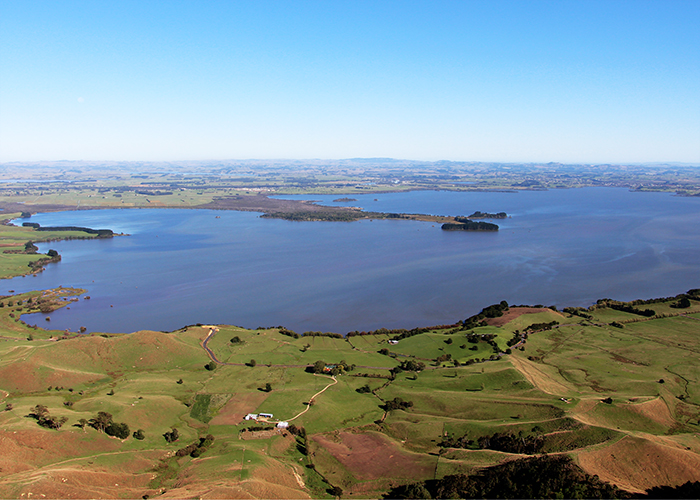
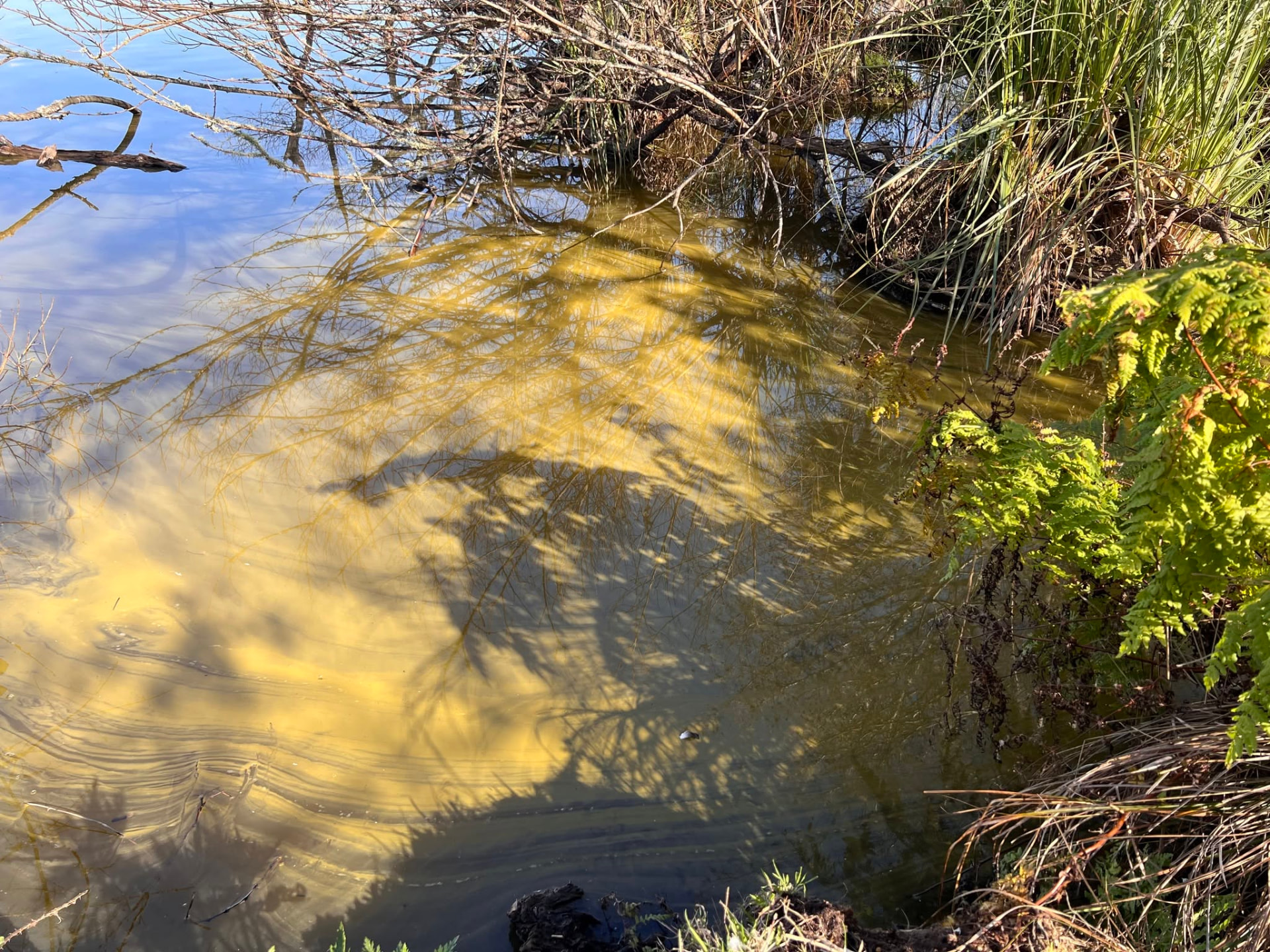
Decades of sediment and nutrient entering Lake Waikare have contributed to extremely poor water quality.
Waikare Whangamarino Wetlands Restoration
Bringing our community together to restore Lake Waikare and Whangamarino Wetland for generations to come.
The problems are complex. The goal is simple. We want our lake and wetlands healthy again.
7,000 ha
of internationally significant wetland at Whangamarino
3,442 ha
of open water at Lake Waikare (Waikato Regional Council)
Ramsar Site
internationally recognised since 1989
One Future
for our children and the generations after them
The heart of our community
Together they support wildlife, communities, farming, flood protection, recreation, cultural heritage and one of New Zealand’s most significant freshwater ecosystems.
But generations of change have taken their toll.
WWWR is bringing community, science, landowners, mana whenua, councils and government together behind something bigger than any one of us.
A healthy lake. A thriving wetland. A legacy worth leaving.
What are we working for?
That is what restoration looks like.
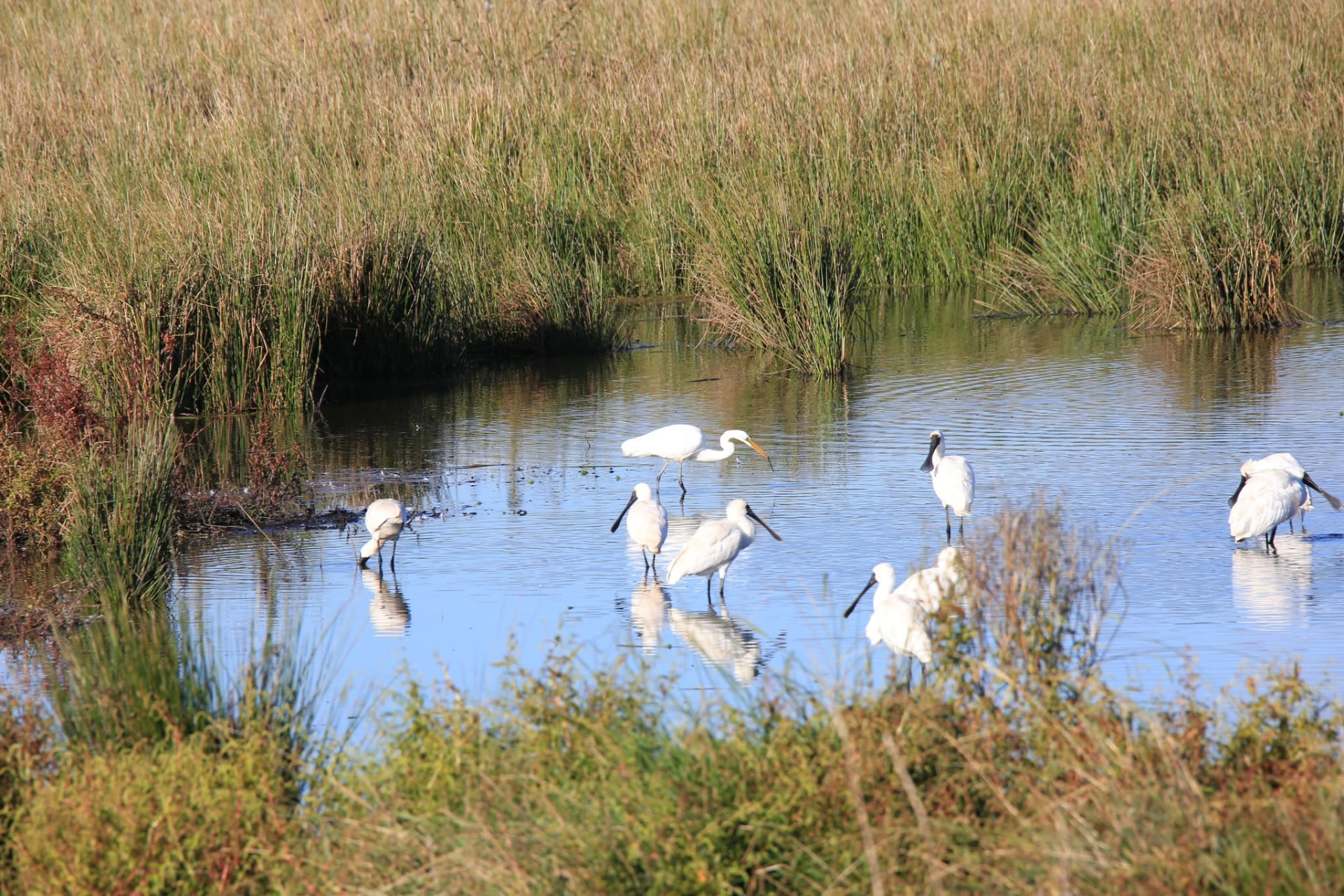
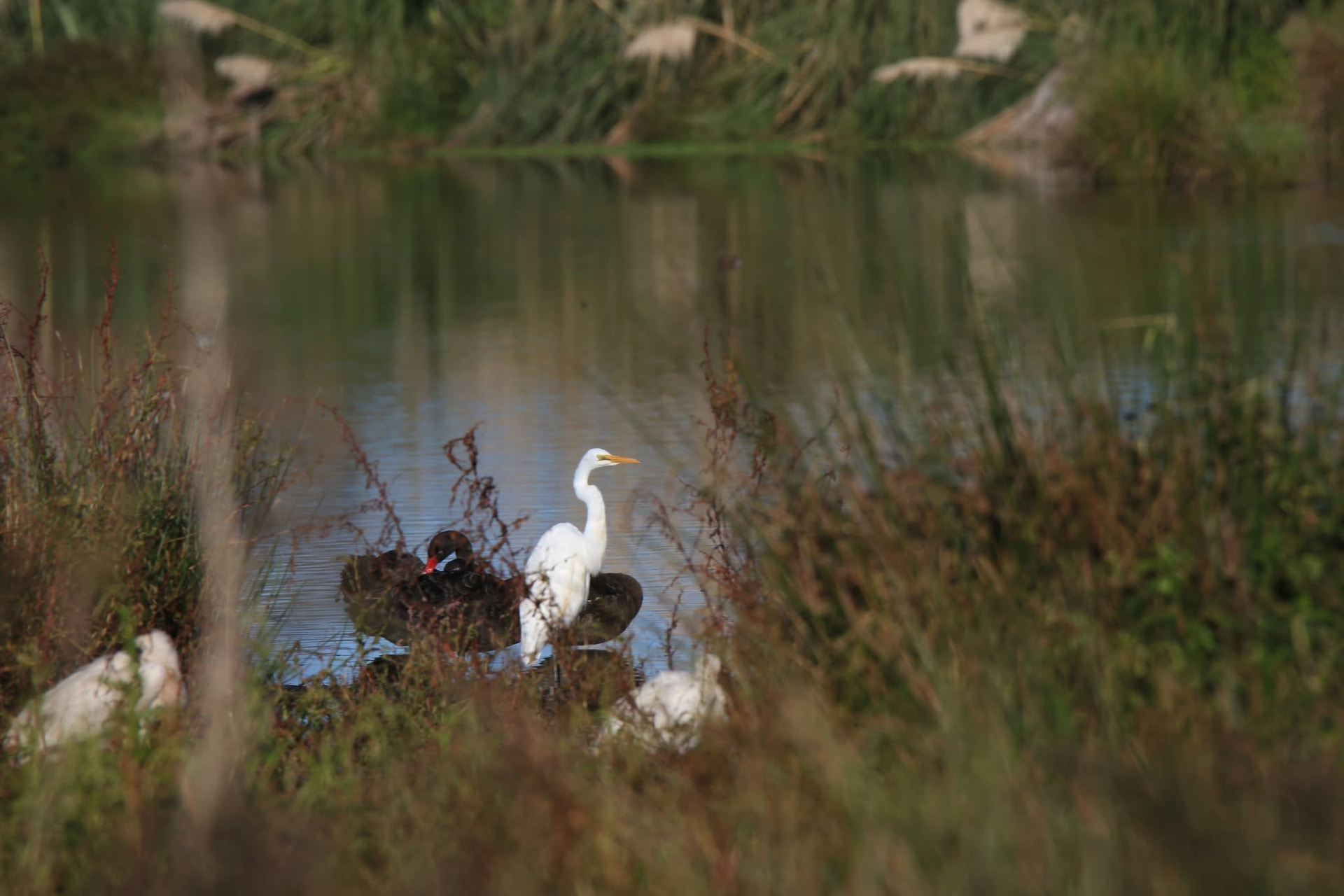
Whangamarino contains a diverse mosaic of bogs, fens, swamps, rivers and open water, and provides habitat for numerous native plants, fish and birds — including threatened species.
The challenge
Decades of sediment and nutrient entering Lake Waikare have contributed to extremely poor water quality.
Pest fish disturb lake sediments, damage aquatic habitat and make recovery considerably harder.
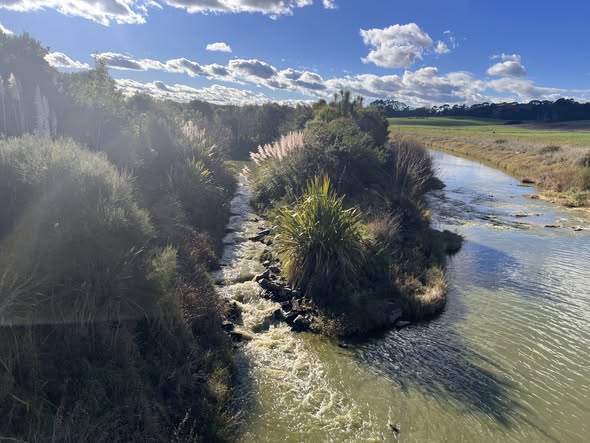
Flood control and drainage infrastructure changed the natural movement of water through Lake Waikare and Whangamarino.
Drainage, land-use change, invasive plants and introduced animals have altered sensitive wetland ecosystems.
Urban growth, farming, infrastructure and communities all rely on the catchment. Restoration therefore requires solutions that work across the whole system.
Waikato Regional Council identifies sediment entering from land and waterways, together with wind, waves and koi carp, as contributors to Lake Waikare’s suspended sediment problem. The Department of Conservation identifies drainage, waterway modification and introduced species among the pressures on Whangamarino, and its 2026 assessment reports a decline in ecological condition alongside a call for collaborative restoration.
Understand the challenge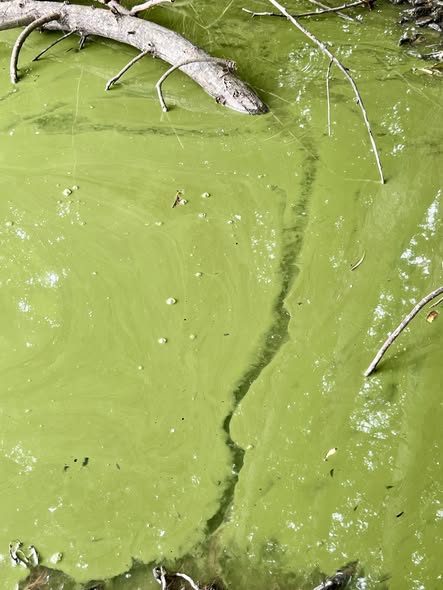
There isn’t one cause — and there won’t be one solution.
The Action Plan
Level one
Do the things we already know work.
Protect waterways, reduce erosion and sediment, restore riparian areas, improve land management, protect existing wetlands and manage contaminants.
Level two
Do more, faster and at greater scale.
Projects requiring greater investment, coordination, engineering or technology than business as usual allows.
Level three
Tackle the big problems incremental change alone cannot solve.
Koi carp control and localised eradication, legacy water and sediment quality, redesigning water-level controls for ecological outcomes, and restoring highly erodible land alongside landowners.
Koi carp
Koi carp are one of the most visible symptoms of the ecological pressure facing Lake Waikare. As they feed, carp disturb bottom sediments, contributing to turbid water and making it harder for aquatic vegetation to re-establish.
Removing them from an open, connected waterway is extremely difficult.
Difficult does not mean impossible — and it does not mean we do nothing.
Water movement
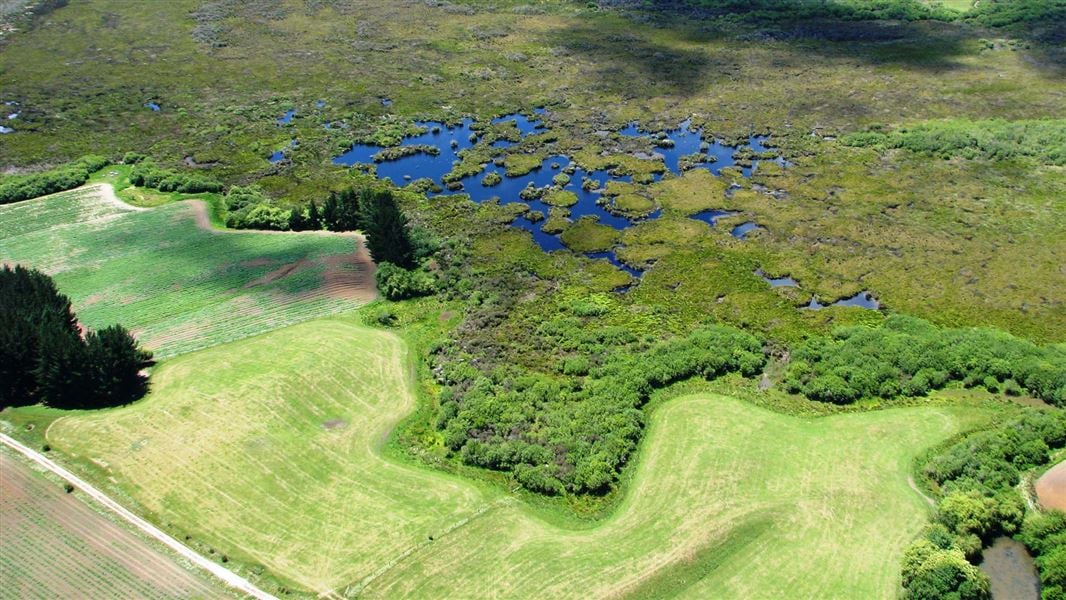
Whangamarino
It’s a wetland of international importance.
Whangamarino is almost 7,000 hectares of swamps, fens, peat bogs, rivers and open water — the second-largest freshwater wetland in the North Island, recognised internationally under the Ramsar Convention since 1989.
And it does something else incredibly important: it helps protect us. Whangamarino forms part of the Lower Waikato flood-control system.
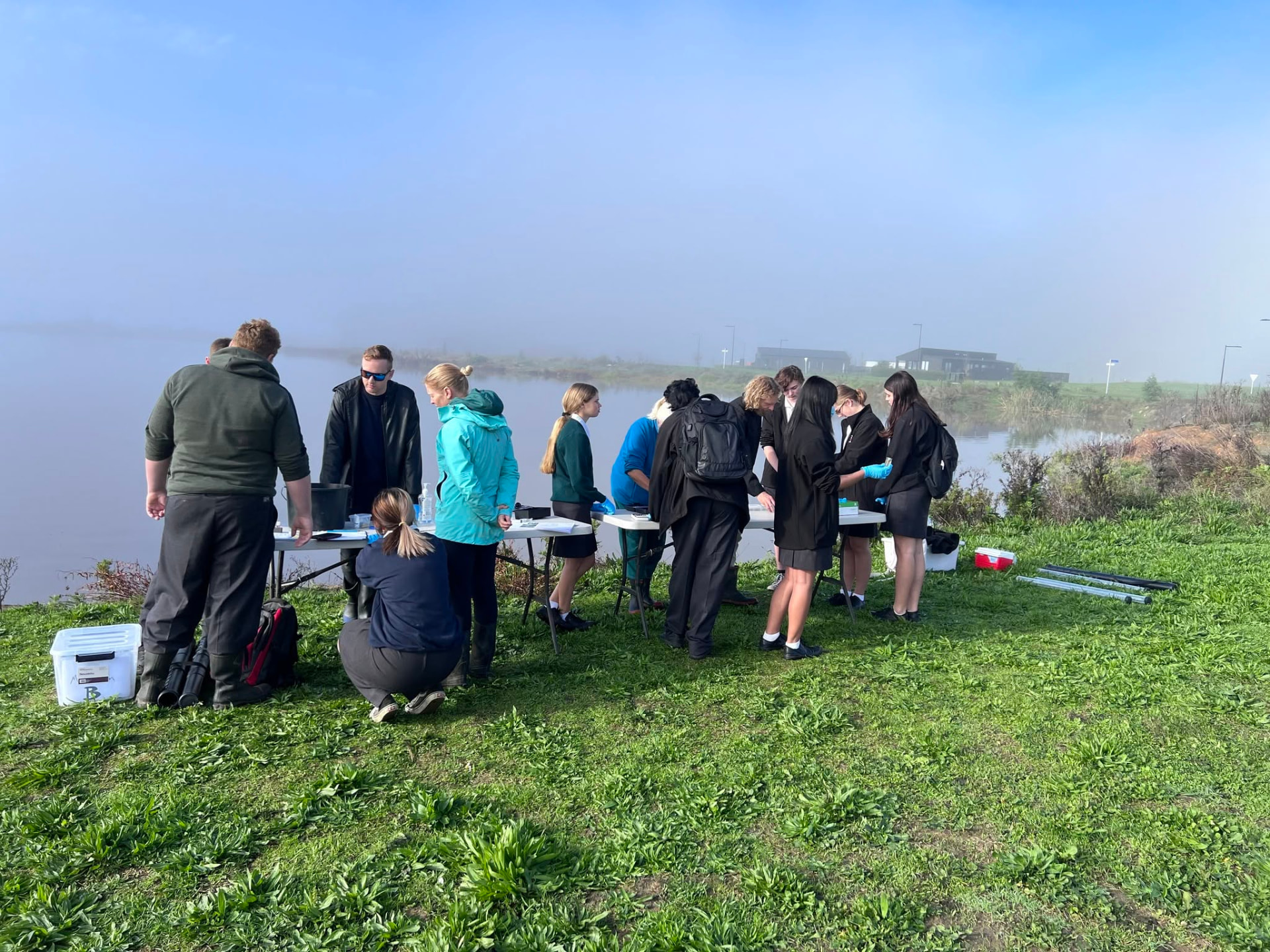
Community
Restoration will not happen through one council, government agency, farmer, iwi organisation or community group acting alone. It requires all of us — and generations of people willing to keep going.
WWWR exists to help create that collective voice.
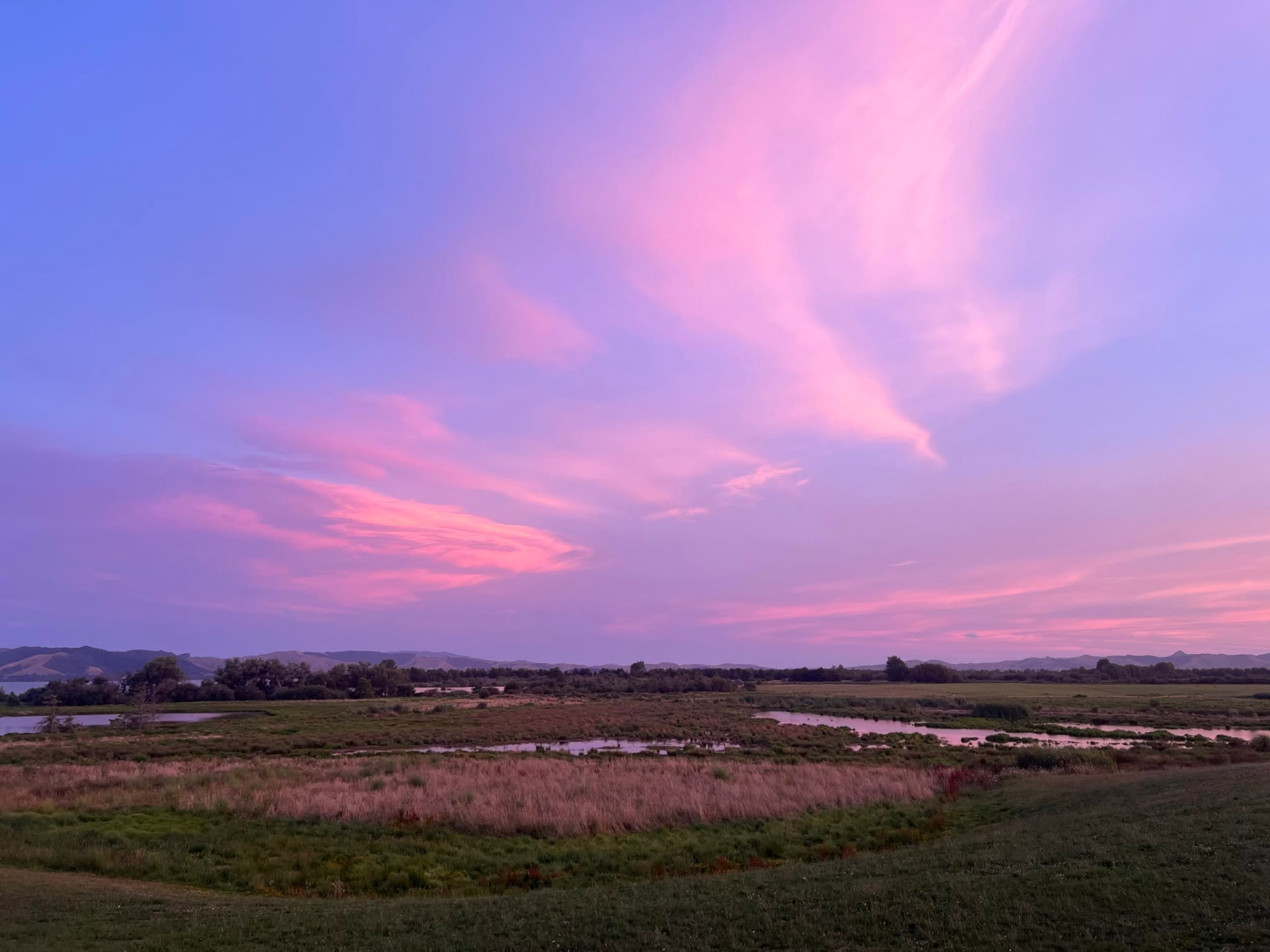
We inherited the problem. We can leave the solution.
Our position
Farmers are part of the solution.
Mana whenua are part of the solution.
Our towns are part of the solution.
Government is part of the solution.
We are all part of the solution.
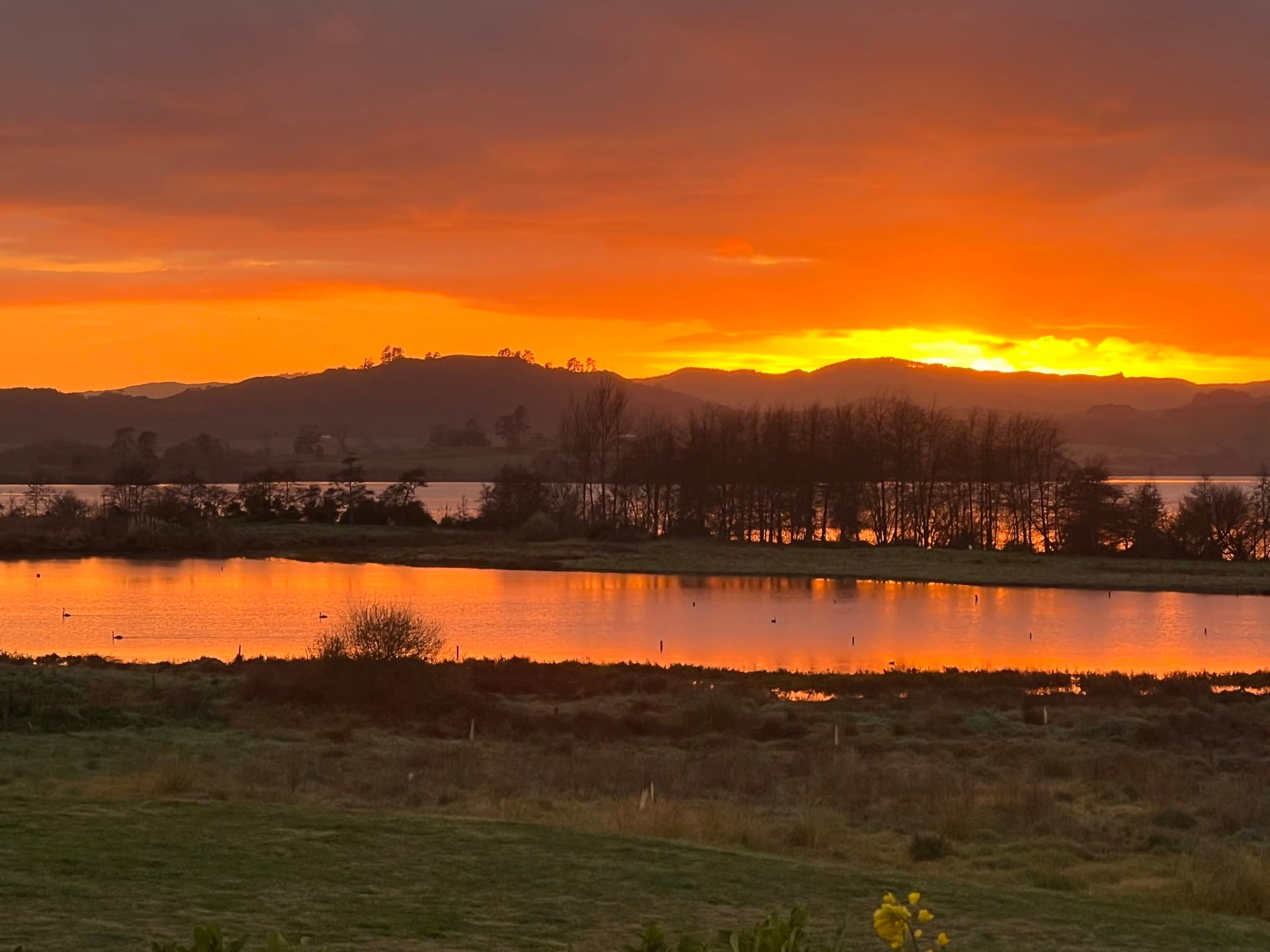
Big problems need big solutions — and thousands of small actions. Join the movement, come to an event, or back a project.