Level one
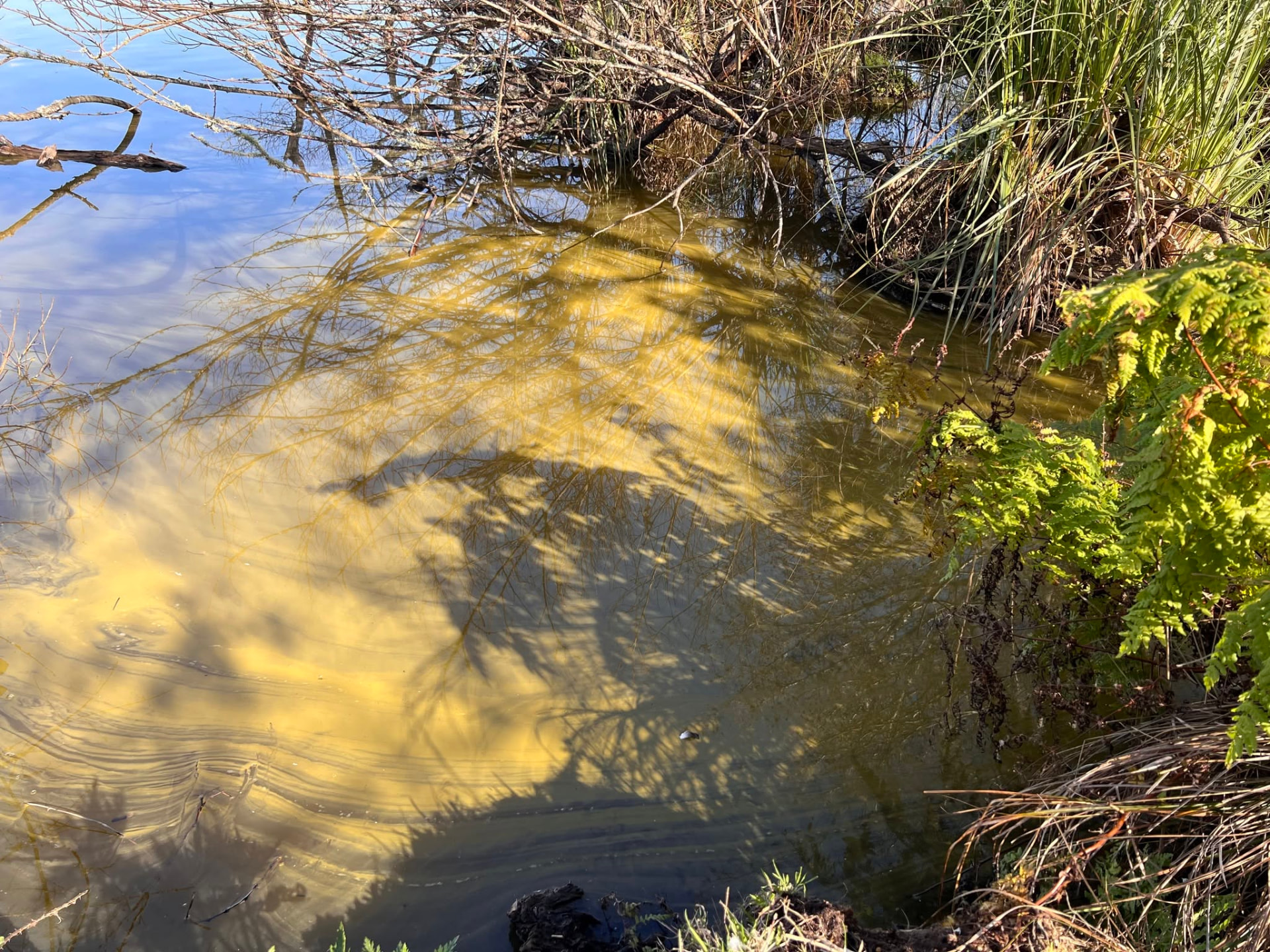
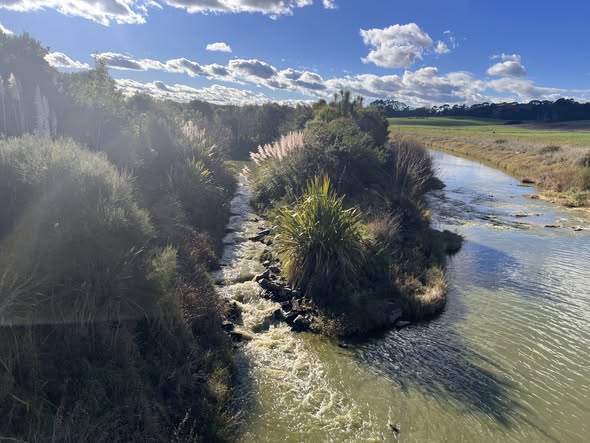
Good management practice
Do the things we already know work.
- Protect waterways
- Reduce erosion and sediment loss
- Restore riparian areas
- Improve land management
- Protect existing wetlands
- Manage contaminants
The Action Plan
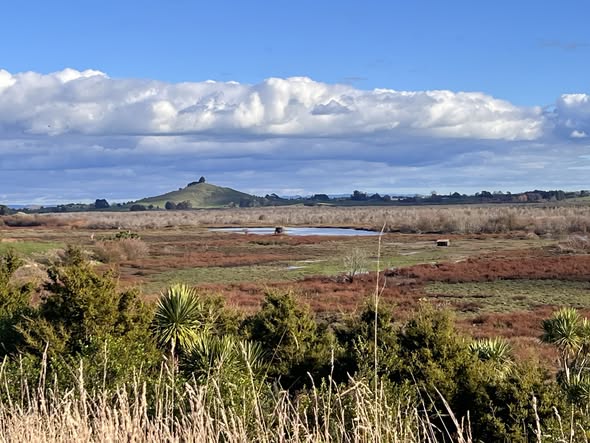
Turning decades of research into action. Hundreds of potential interventions have been investigated over many years — the Action Plan focuses attention on those capable of creating meaningful change.
Three levels
Level one
Do the things we already know work.
Level two
Do more, faster and at greater scale.
Projects requiring greater investment, coordination, engineering or technology than business as usual allows — larger wetland reconstruction, catchment-scale planting, sediment traps, monitoring networks and pest programmes that run for decades rather than seasons.
Level three
Tackle the big problems incremental change alone cannot solve.
Research, barriers, targeted removal and trials of methods that can work in a connected river system — plus productive uses for the fish removed.
Decades of accumulated sediment and nutrient sit in the lake bed. Dealing with that legacy is a different problem from reducing new inputs, and needs its own engineering answer.
Gates, channels and structures were designed for flood protection. Restoration asks whether they can also be operated and redesigned to deliver ecological outcomes — without reducing community flood safety.
Working alongside landowners and farmers to retire, stabilise and replant the most erosion-prone land, and to support practices that keep soil and nutrient on the paddock. Farming is part of the solution here, not the target.
These are engineering problems. Not reasons to give up.
Where next