Sediment & nutrients
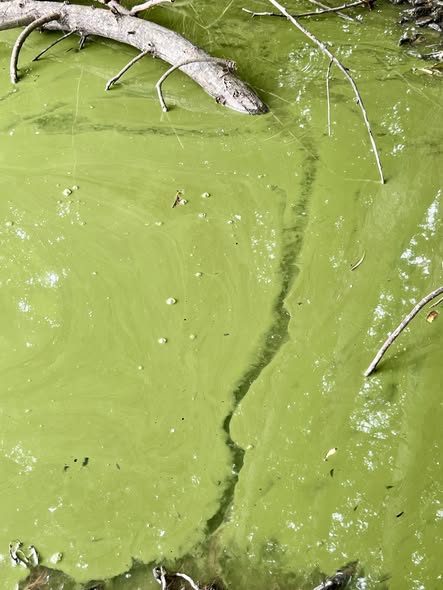
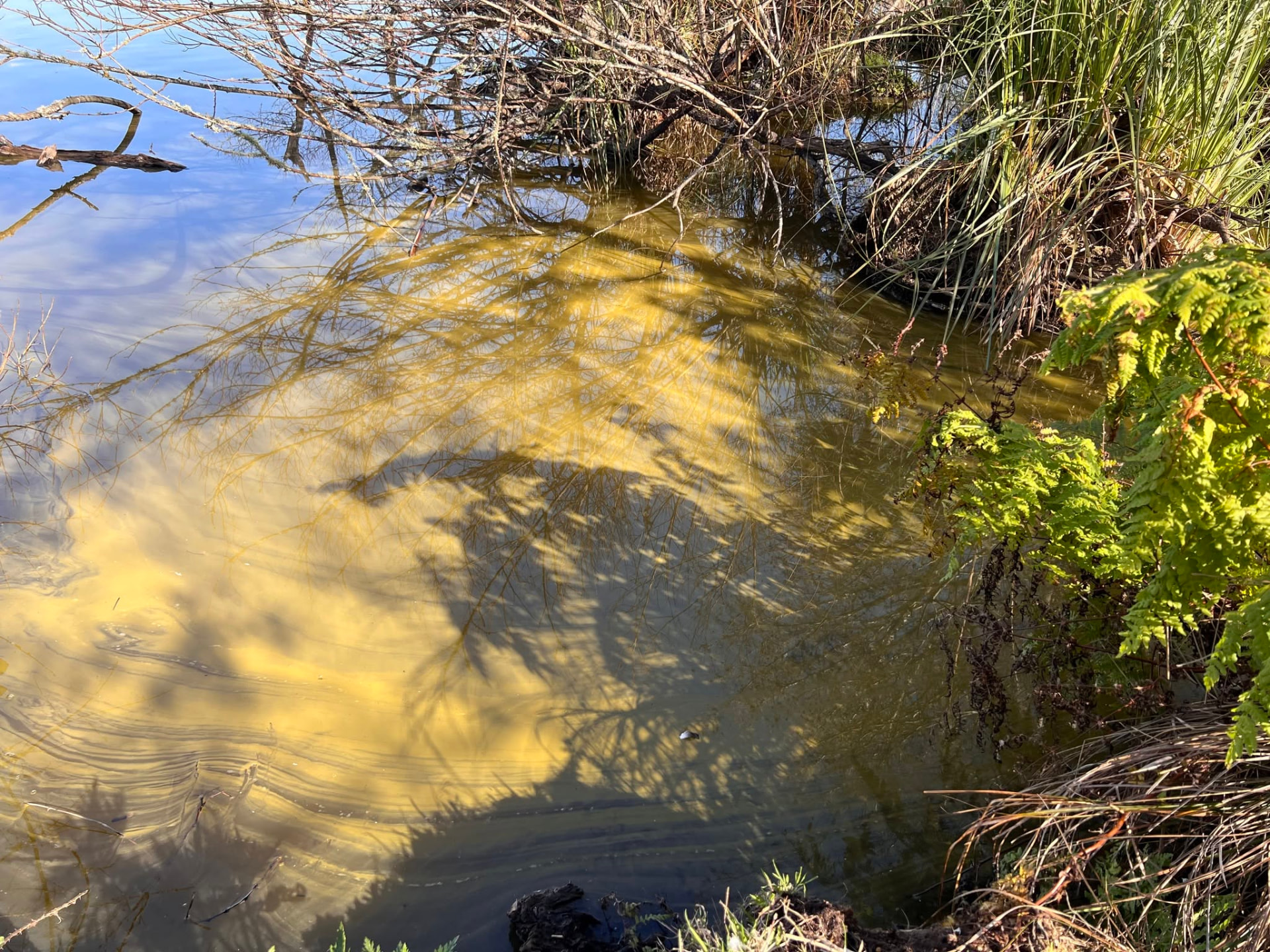
Decades of sediment and nutrient entering Lake Waikare have contributed to extremely poor water quality. Fine sediment stays suspended, blocking the light aquatic plants need.
The challenge
No single decision, industry or generation created this. Understanding the pressures honestly is the first step to fixing them together.
Five pressures
Decades of sediment and nutrient entering Lake Waikare have contributed to extremely poor water quality. Fine sediment stays suspended, blocking the light aquatic plants need.
Pest fish disturb lake sediments, damage aquatic habitat and make recovery considerably harder — and they are extremely difficult to remove from a connected system.
Flood control and drainage infrastructure changed the natural movement of water through Lake Waikare and Whangamarino, including the historic seepage connection between them.
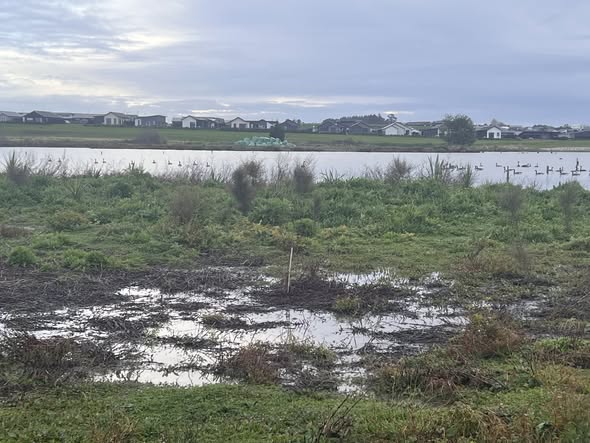
Drainage, land-use change, invasive plants and introduced animals have altered sensitive wetland ecosystems and shrunk the margins that once filtered water.
Urban growth, farming, infrastructure and communities all rely on the catchment. Restoration therefore requires solutions that work across the whole system.
There isn’t one cause — and there won’t be one solution.
What the science says
Lake Waikare is classed as hypertrophic: highly enriched, highly turbid, dominated by algae. Waikato Regional Council identifies sediment entering from land and waterways, together with wind, waves and koi carp, as contributors to the lake’s suspended sediment problem.
The Department of Conservation identifies drainage, waterway modification and introduced species among the pressures on Whangamarino, and its 2026 assessment reports a decline in ecological condition alongside a call for collaborative restoration action.
Monitoring matters because it turns opinion into evidence — and evidence is what unlocks funding and keeps projects honest about what is working.
Our position
We inherited the problem. We can leave the solution.