Barriers and screens
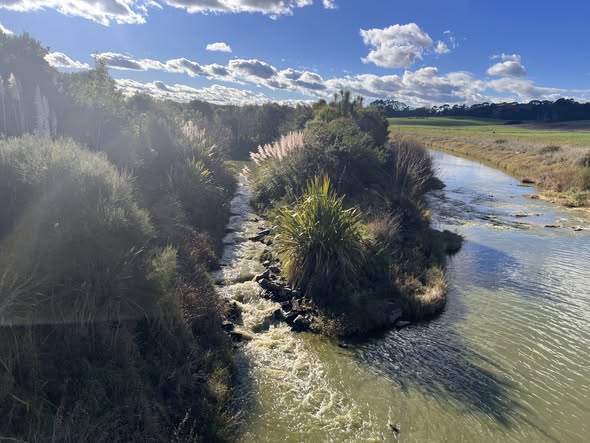
Restricting pest fish movement at key connections between the river, the lake and the wetland — so that gains made in one area are not undone the next flood season.
Koi carp
Koi carp are one of the most visible symptoms of the ecological pressure facing Lake Waikare.
Why it matters
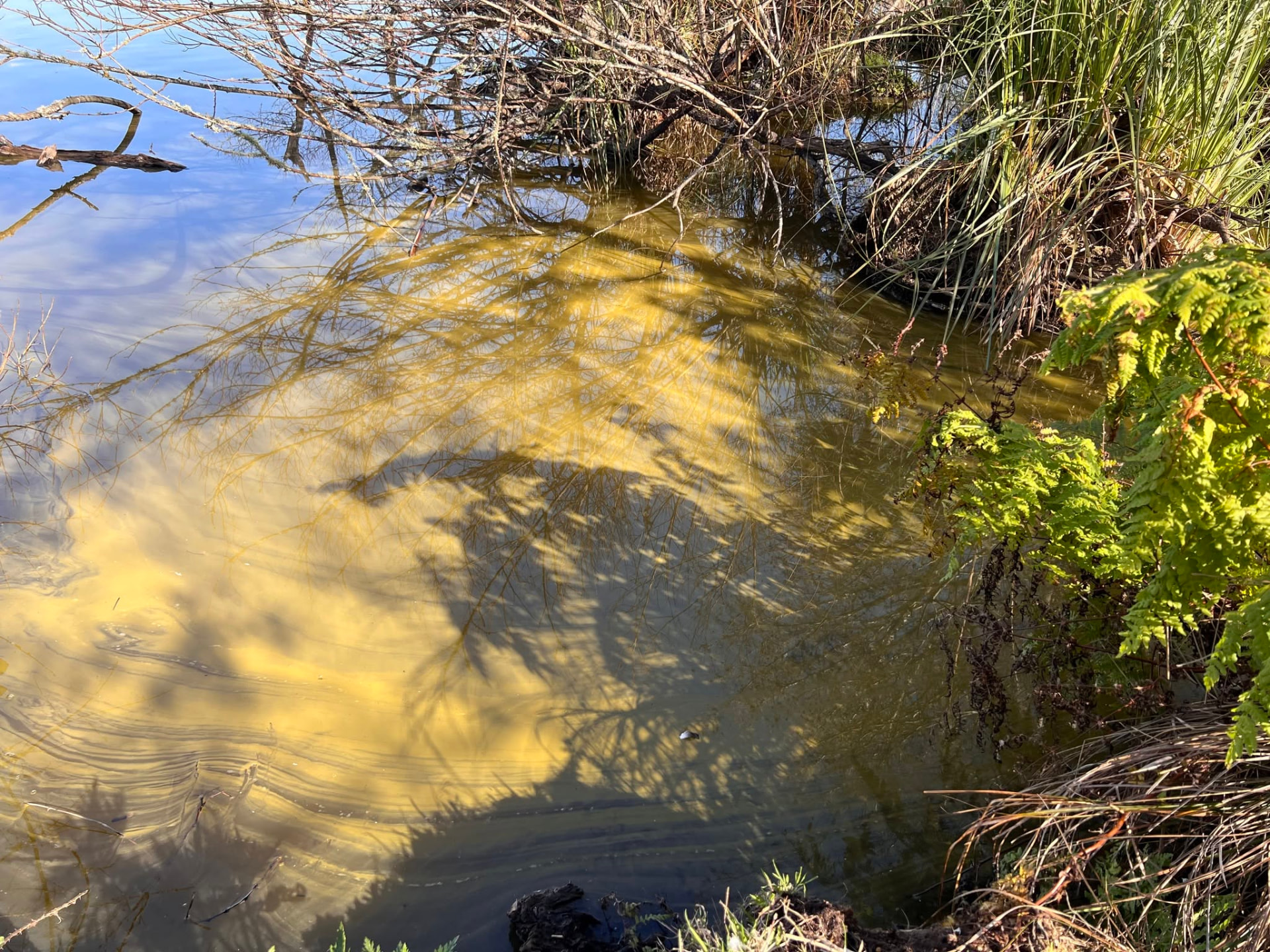
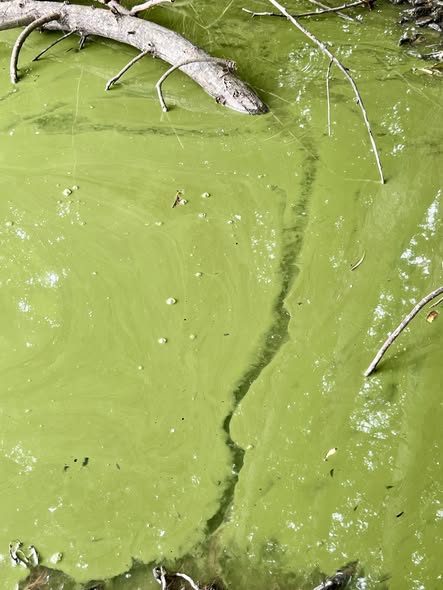
As they feed, carp disturb bottom sediments, contributing to turbid water and making it more difficult for aquatic vegetation to re-establish. Without those plants, sediment stays loose and the cycle continues.
Removing carp from an open, connected waterway is extremely difficult. Fish move with floodwater; a cleared area can be recolonised.
But difficult does not mean we do nothing.
Difficult does not mean impossible — and it does not mean we do nothing.
Koi solutions
Restricting pest fish movement at key connections between the river, the lake and the wetland — so that gains made in one area are not undone the next flood season.
Coordinated netting and trapping at spawning times and in known hotspots, backed by data on where and when carp concentrate.
Measuring biomass, movement and the effect of removal on water clarity, so effort goes where it makes the most difference.
Carp can become fertiliser, pet food or other products. Creating value turns a costly clean-up into an ongoing programme that can pay part of its own way.
Once clarity improves, native water plants can re-establish and hold sediment in place — locking in the gains from control work.
Local eyes on the water. Sightings, spawning reports and volunteer help make control programmes far more effective.